Hand & Wrist
Trigger Finger: Symptoms, Causes and Treatment Options
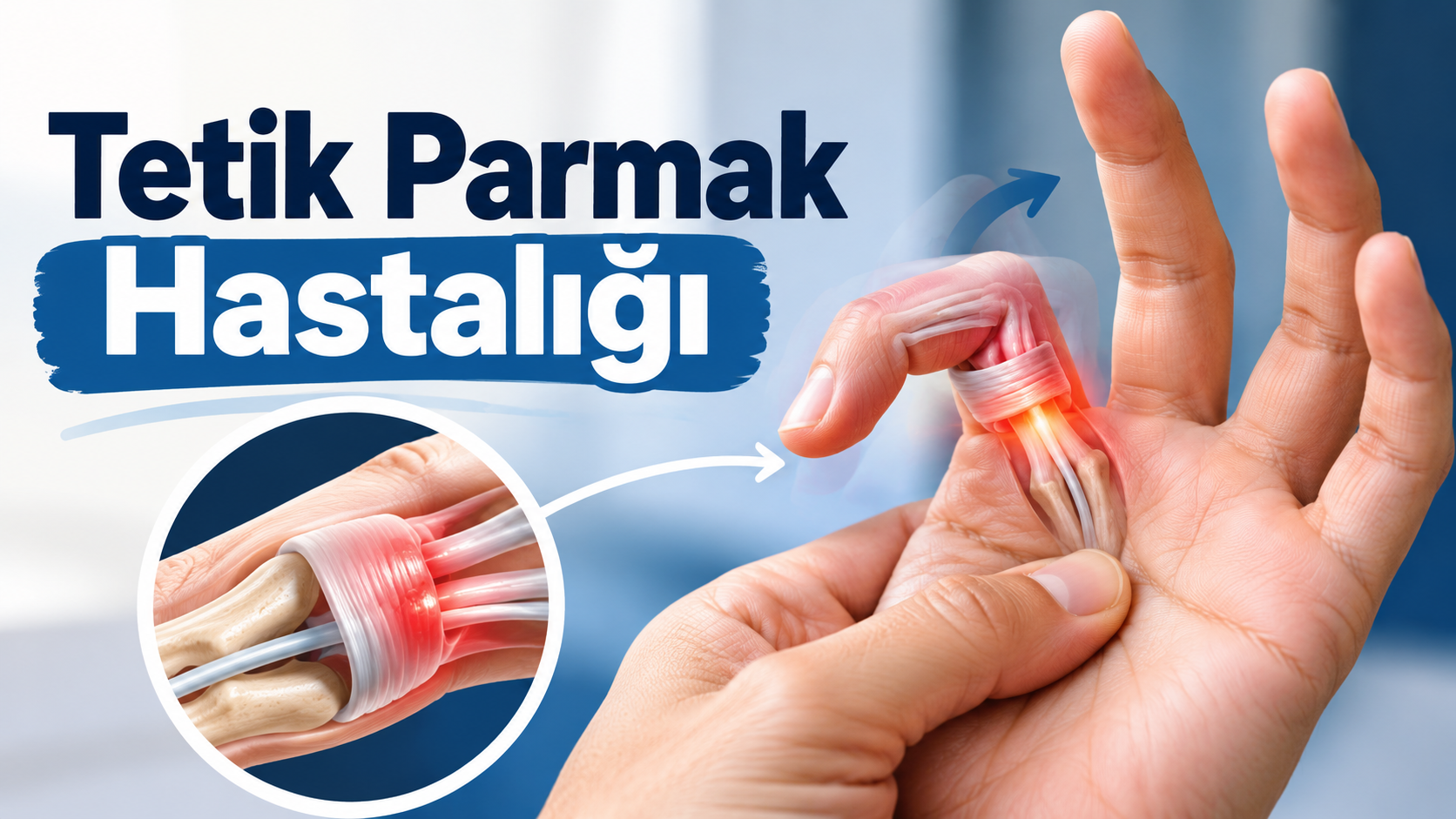
Trigger finger occurs when the flexor tendon catches under a pulley in the palm. Bending and straightening may cause catching, stiffness and a click. Morning locking is common; advanced cases stay locked and need the other hand to open the finger.
Causes and risk factors
Repetitive gripping, tool use, diabetes and some inflammatory diseases increase risk. It is reported more often in women. Thickening of the tendon sheath leads to mechanical catching.
Symptoms
Pain at the A1 pulley, morning stiffness, clicking and progressive locking are typical. Night discomfort may occur.
Treatment options
Activity modification, splinting and anti-inflammatory care help early cases. Corticosteroid injection is effective for many patients. Persistent locking often needs surgical pulley release.
When to seek care?
If the finger locks daily, pain limits grip, or symptoms last beyond a short self-care period, evaluation is advised.
Protective daily measures
Reduce forceful repetitive grip, use larger handles when possible and avoid prolonged vibration exposure during flares.
Injection vs surgery
Injection is less invasive and often first-line. Surgery offers reliable relief for refractory mechanical locking with a short outpatient recovery for most patients.
Trigger thumb in children
Pediatric trigger thumb has a different natural history; observation or timed intervention is individualized.
Frequently asked questions
Patients often ask whether the condition heals on its own, when they can return to sport, and whether surgery is mandatory. Answers are always personalized based on age, imaging, and lifestyle. Online information helps, but it does not replace examination. Early guidance prevents unnecessary medication and chronic symptoms from incorrect exercises. Follow-up visits are a natural part of measuring treatment response.
OrtoCare Clinic approach
Evaluation starts with a detailed history, physical examination and, when needed, X-ray or MRI. Our goal is to exhaust the least invasive evidence-based options first and plan surgery at the right time if required. Rehabilitation matters as much as the procedure itself, because joint health depends on loading and muscle balance afterward. Patient education, home programs and follow-up appointments support sustainable results. If pain disrupts daily life, professional assessment is safer than waiting it out.
What affects treatment success?
Symptom duration, diabetes control, occupation and choosing the right step at the right time matter most.
Remember: in orthopedic complaints, early diagnosis usually means shorter treatment and better function. This article is for information only; final decisions are based on examination and investigations.
Op. Dr. Erman Çekiç provides personalized orthopedic and traumatology assessment at OrtoCare Clinic. If you have symptoms, contact us for early examination, accurate diagnosis and an appropriate treatment plan.